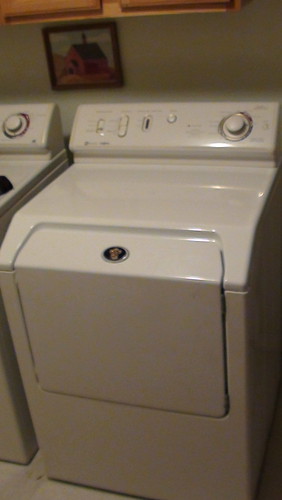
Appliance paint is useful in updating tired appliances without breaking a budget. I figured this out when I had a white stained refrigerator door on a rent house. The refrigerator was totally useful, and I didn't want to throw it away just because the door was stained. I also knew that no one in their right mind would rent the unit if the refrigerator looked dirty. I gave appliance paint a shot.
There are many things you should know about appliance paint before determining if appliance paint is what you need. Here's everything you need to know about appliance paint and how to use appliance paint.
Overview of Appliance Paint
When deciding if appliance paint is right for you, you should realize that regular paint is never to be used on appliances. The paint will not bond to the appliance correctly and will flake or wash off very easily. Appliance paint is useful if you have one appliance that does not match the rest of your appliances. In addition, you should take care to purchase appliance paint that is heat resistant if using appliance paint on heat sources such as a stove or oven.
Types of Appliance Paint
A homeowner who is interested in updating appliances using paint should know that there are two kinds of appliance paint to choose from: spray paint and brush-on paint. Spray-on appliance paint is recommended for situations where an entire appliance must be painted. Spray paint will create an even finish that is free from tell-tale roller and brush marks. Brush-on appliance paint is best to touch up small scrapes and dents in your appliances. If you must fill in a dent or gouge in your appliance, make sure that the filler compound will bond with appliance paint.
How to Use Appliance Paint
If you think that appliance paint is right for you, here is a step-by-step guide to applying appliance paint:
1) Move the appliance to a well ventilated area. It is important that the appliance is unplugged before you wash or paint the appliance. You don't want to electrocute yourself!
2) Remove any handles or areas on the appliance that you don't want to be painted. A prime example is the handle on a refrigerator or freezer.
3) Thoroughly clean and dry all surfaces to which the paint will be applied. Make sure that all dirt and debris is washed away. Make sure the area is moisture-free before starting to paint. Moisture can affect the bond of the appliance paint.
4) If you have any rust spots you will need to treat them before applying paint. This will keep the rust from eating through the new paint and leave rust spots less noticeable.
5) Read the instructions on the appliance paint of your choice and paint your appliance using their directions. Follow any directions, no matter how trivial they may sound. You don't want your appliance to scream "my owner painted me because they were too cheap to buy a new appliance".
6) Allow the appliance paint to dry, and add another coat if necessary. Before moving the appliance back to its position, you will need to make sure it is completely dry.
7) Enjoy your brand-spanking new looking appliance that cost under $100.
My experience with appliance paint has been decent. For a landlord or first time homeowner with not a lot of cash to spare, a great can of appliance paint may be the answer to their prayers.
appliance repair
appliance repair
appliance repair
appliance repair
appliance repair
appliance repair
appliance repair
appliance repair
appliance repair
appliance repair
appliance repair
appliance repair
appliance repair
appliance repair
appliance repair
appliance repair
appliance repair
appliance repair
appliance repair
appliance repair
appliance repair
appliance repair
appliance repair
appliance repair
appliance repair
appliance repair
appliance repair
appliance repair
appliance repair
appliance repair
appliance repair
appliance repair
appliance repair
appliance repair
appliance repair
appliance repair
appliance repair
appliance repair
appliance repair
appliance repair
appliance repair
appliance repair
appliance repair
appliance repair
appliance repair
appliance repair
appliance repair
appliance repair
appliance repair
appliance repair
appliance repair
appliance repair
appliance repair
appliance repair
appliance repair
appliance repair
appliance repair
appliance repair
appliance repair
appliance repair
appliance repair
appliance repair
appliance repair
appliance repair
appliance repair
appliance repair
appliance repair
appliance repair
appliance repair
appliance repair
appliance repair
appliance repair
appliance repair
appliance repair
appliance repair
appliance repair
appliance repair
appliance repair
appliance repair
appliance repair
appliance repair
appliance repair
appliance repair
appliance repair
appliance repair

![Appliances new home [14] by Ken Kuhl](http://farm3.staticflickr.com/2245/2196702811_58da87eefe.jpg)